






It is no secret that very few people like income tax. The Federal Tax Foundation did a study that stated that only 20 percent of people were happy with the way the system worked. But schools have no better option than to appeal to the public to beg for funding as the growing deficit in cash grows. Thus the birth of the Westerville school levy system people know and “love”. Truth be told, no one likes having to write and draft ballot or fund replacement initiatives upon the failure of a levy. Voters notoriously hate it, and Board members feel stressed and fearful of a potential negative outcome.
Last year, the 2024 levy narrowly failed between the two counties (WCS spans both Franklin and Delaware counties) and cuts were made to shrink the deficit. However, it didn’t fix it all the way. In a graph, provided during the September 22 board meeting, the progression of revenues and expenses shows a widening gap over the last two years, but also the anticipated progression for the next five years. As expenses overtake revenues, the deficit grows significantly.
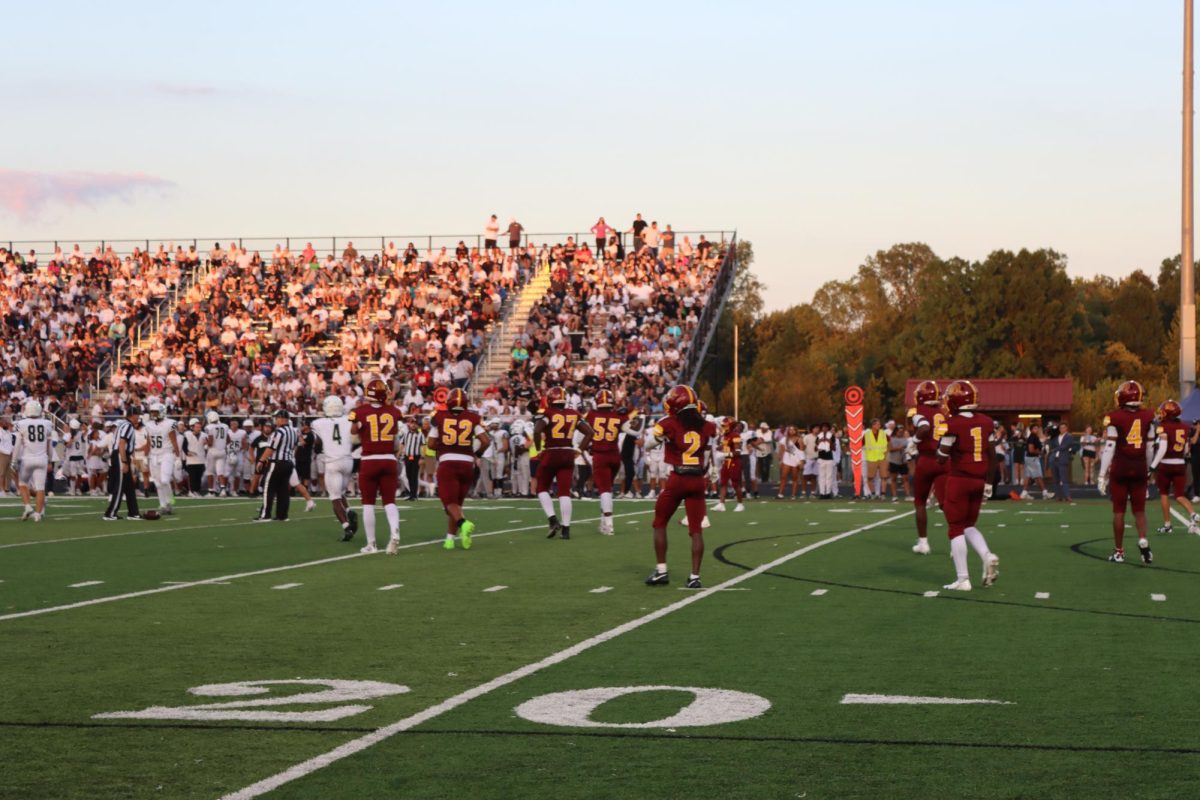
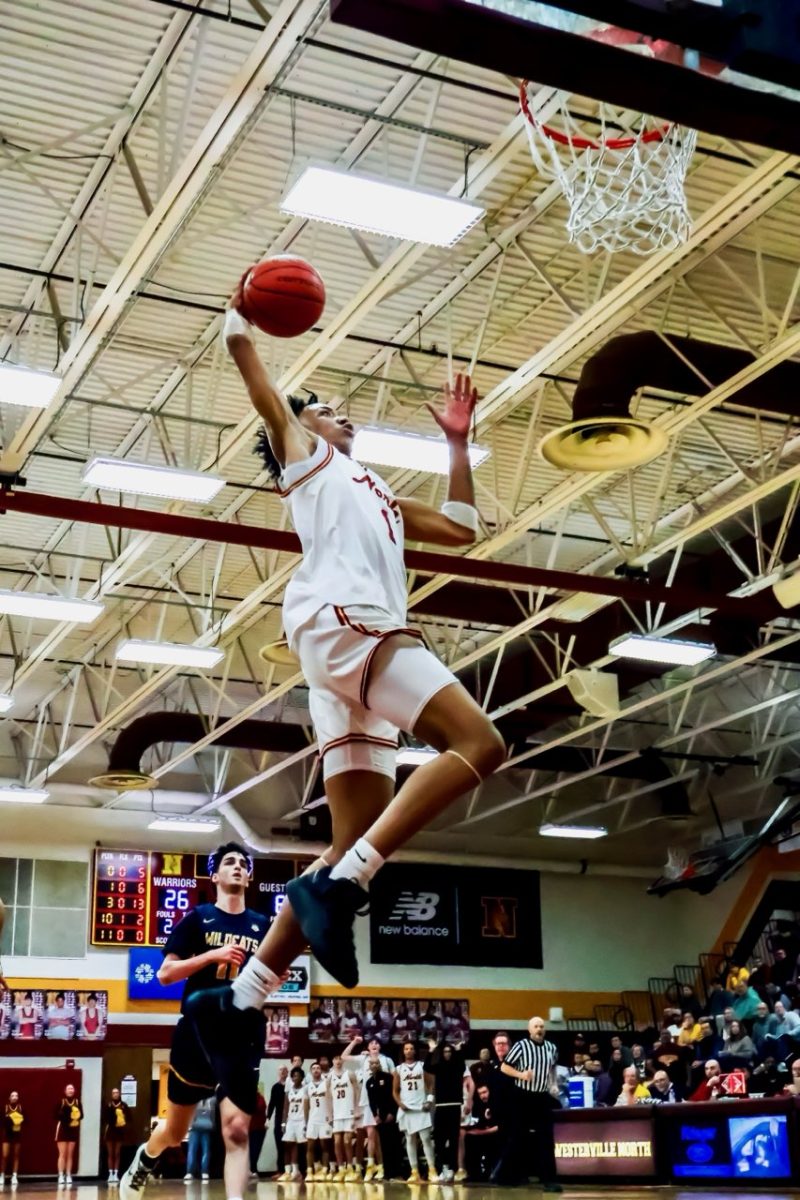
If the levy is to fail similar to last year’s, the 2025 budget cuts account for roughly $24 million. Which seems like a lot, but as the progression of the graph continues, the district may need to cut more in the future. Reassigning jobs is unsustainable, with the cuts absorbing over 100 staff positions. And the district can’t be expected to keep raising the pay to play aspects of high school and middle school sports-with the cuts, sports will cost $500 per activity in high school. If it is to pass, will the district need another levy down the road?
Kristy Meyer has been on the Westerville Schools Board for three years and potentially more, running for re-election this cycle. She has been a major part of the Westerville School Board process, being the president of the board. She seemed hopeful and determined about WCS’ future.
“Well, we would definitely have to go back to the voters after this,” she says. “If this levy should fail, and I’m going to say ‘if’. I’m going to be hopeful and positive [because] I hate putting that out into the universe, we definitely would have to go back to the voters, but we know we’re going to continue to get less from the state, so over time that compounds.”
As inflation increases, Ohioans expect to see an increase in the amount of money lent to schools by the state. This is partially true, with 2024 being the highest amount given to schools in a fiscal year ever according to Ohio’s official website. Yet the increase in school pay by the Ohio government hasn’t matched the rate of inflation. This partially explains the deficit, but it isn’t the full story.
Meyer has spent time advocating in the statehouse for more fair funding models to be passed. “We hear that the Department of Education wants to send all of that funding that we get for English learners, special education, things like that, to the state,” she said. “And the state will then give it to us through the formula, and we’ve already been underfunded, let alone this year, by over $45 million. It keeps making us come back to the residents and say, ‘we need more’, and it’s really a problem that the state created.”
The Ohio state government has worked their way into the funding system, taking nearly a billion dollars in 2024 and sending it to private and charter schools. According to News5 in Cleveland, $406 million of that was from the federal government intended for public education scholarships.
Westerville schools have been committed to upgrading in the last five years. Fixing old buildings and addressing old infrastructure that needs refurbishment. This has been a big part of forming our budgets. With this fund, Westerville South managed to get large extensions added to their building. This program, nicknamed the Facilities Masters program, is important to stakeholders. Funding taken by the state could easily have been allocated into programs such as this.
Whether this levy passes or not, Westerville families will pay either way. Future generations will pay for present decisions, too.
Meyer thinks not only of her own children, but of all Westerville students when making tough decisions. “Some of my kids have friends that just aren’t in a position able to pay for [sports and clubs at higher rates with no family cap], but that is what unlocks them,” she said. “[Sports and clubs] is what gets them up in the morning to go to school; that’s what excites them. And to think that there might not be an opportunity for them, it can bring me to tears.”
Disclaimer: We reached out to all of the school board members, but Meyer was the only one to respond.