

















By the time the third school quarter rolls around, winter break feels like a distant memory; but its effects are still lingering in the hallways. Three weeks after returning to school, many students are struggling with exhaustion, low motivation, and thrown off internal sleep schedules as they adjust back to early mornings and cold winter days.
During the two-week break, many students fell into relaxed routines, staying up late, sleeping in, and spending increased amounts of time on phones, streaming services, and gaming. While the break provided a mental rest, it also disrupted sleep patterns that students are now finding difficult to restore.
Junior Sophie Izzie said her sleep schedule completely changed during break, making it harder to adjust once school resumed. She explained that late nights quickly became a new normal, and waking up early again has become exhausting. “I was going to bed no earlier than 1 a.m. every night during break and waking up in the afternoon,” Izzie said. “Now back from break I’m waking up no later than 6:30 in the morning and expected to be focused and awake by 7:25, it’s really difficult.”
The combination of early start times and freezing temperatures has made mornings especially challenging. Students say the cold weather only adds to their lack of motivation while struggling to stay awake during the day.
“When I wake up in the morning and it’s pitch black and freezing outside, the last thing I want to do is come to school,” sophomore Emerson Morrow said. “It really makes me want to stay in bed even more, and when I do get to school I feel tired all day, especially in my first two classes.”
The effects of sleep deprivation are most noticeable during early morning classes. Students often arrive tired, quiet, and unfocused, especially when the sun has not even risen.
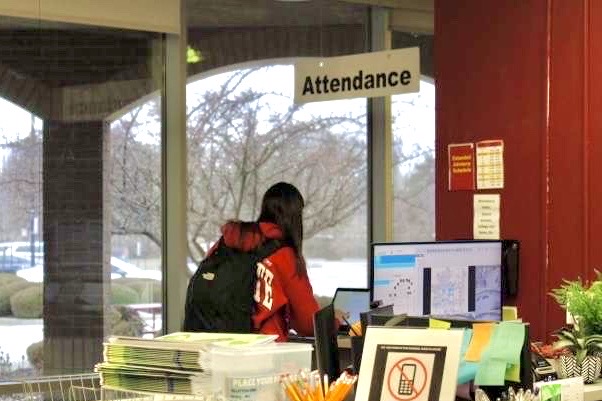
This struggle in the morning leads to missed classes, and a few admit that it causes them to skip first period all together somedays. “Honestly some days if I wake up late I feel there is no point in going to first period at all, and I would be too tired to be pay attention anyway,” said Izzie.
Teachers have noticed the change as well. “I think that mornings are harder for kids when there is less daylight,” history teacher Mrs. Gegick said. “It’s also hard for teachers too, and personally for me having to get two kids to school in the morning who also don’t want to go to school.”
Students at Westerville North Highschool are not alone in this struggle, according to Spokane Public Schools it takes the average student 3-4 weeks before sleep routine becomes a habit. Many students experienced a rude awakening and are now just starting to get back to normal.
Senior Hallie Williamson said it has been especially difficult for her with the stress of graduating and moving forward with her goals in life. It has been an overall struggle to maintain momentum.
“The third quarter just feels never-ending since you don’t have any big breaks to look forward to, and the weather makes it worse.” She explained that the combinations of tiredness and a packed schedule makes it hard to stay engaged.
Sophie Izzie said staying up late has become routine, even on school nights. She admits that her sleep habits are affecting her energy during the day. “I know I don’t get enough sleep, but it’s hard to fix,” Izzie said. “Once I’m on my phone, I just lose track of time.”
With excessively cold temperatures on January 20 reaching temperatures of close to -10 degrees, many students took the opportunity to not come to school, extending their already long weekend. Mrs. Carpenter in the attendance office says this is a common occurrence with many students especially after break when it is dark and cold in the mornings.
With many students still adjusting, there is hope that longer days and warmer weather will bring fresh motivation. Until then, the third quarter remains a period of time marked by yawns, coffee & energy drinks, and students counting down the days until spring comes.